

The Institute for Excellence in Writing® focuses on how to make writing better by systematically adding stylistic techniques to writing assignments while also working on structure. They call it the Structure and Style® method. IEW® will get criticiz...
Read More
Some people in the world of language arts prefer the term restrictive rather than essential when discussing relative clauses. But I find the word essential helpful. The more I study clauses and phrases, the more I see how understanding this word is ...
Read More
A relative clause gives more information about a noun. It can begin with the words who, which, or that. There. That’s it. Sounds pretty simple. I mean, it is, but there are some rules to go along with it. I find relative clauses to be one of the har...
Read More
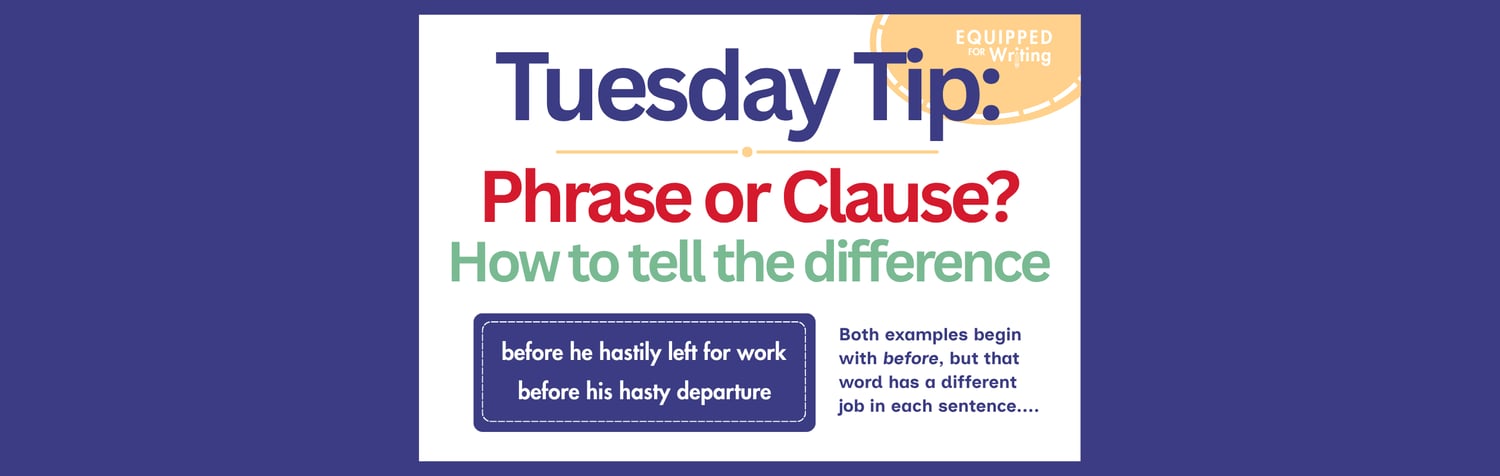
Before he hastily left for work, he took his dog for a walk. Before his hasty departure, he took his dog for a walk. Which sentence starts with a phrase, and which one starts with a clause? Can you tell? I have talked about prepositional phrases qu...
Read More

Last week, I talked a lot about prepositional phrases: what they are, how to find them, and what they show. This week, we’re going to dig a little deeper. The most common prepositional phrases are probably the ones that show direction, location, or ...
Read More

We learn about prepositions when we’re very young. We often think they are simply positional words like on, under, in, or above. We know the gnome can sit on a tree stump. He can even sit under a bridge. And we know he can sit there in the morning. ...
Read More

When I finally pulled my kids out of school and began homeschooling, I did not want to grade their work. I hated the idea of reducing my child to a number or a letter. I wanted them to learn, not just shoot for what someone else thought they should ...
Read More

I mean it. Editing your child’s compositions can be one of the most beneficial ways you spend your time together. But don’t do it alone. Edit with your child. Praise something and ask questions Talk to them about their sentences. Read everything out...
Read More
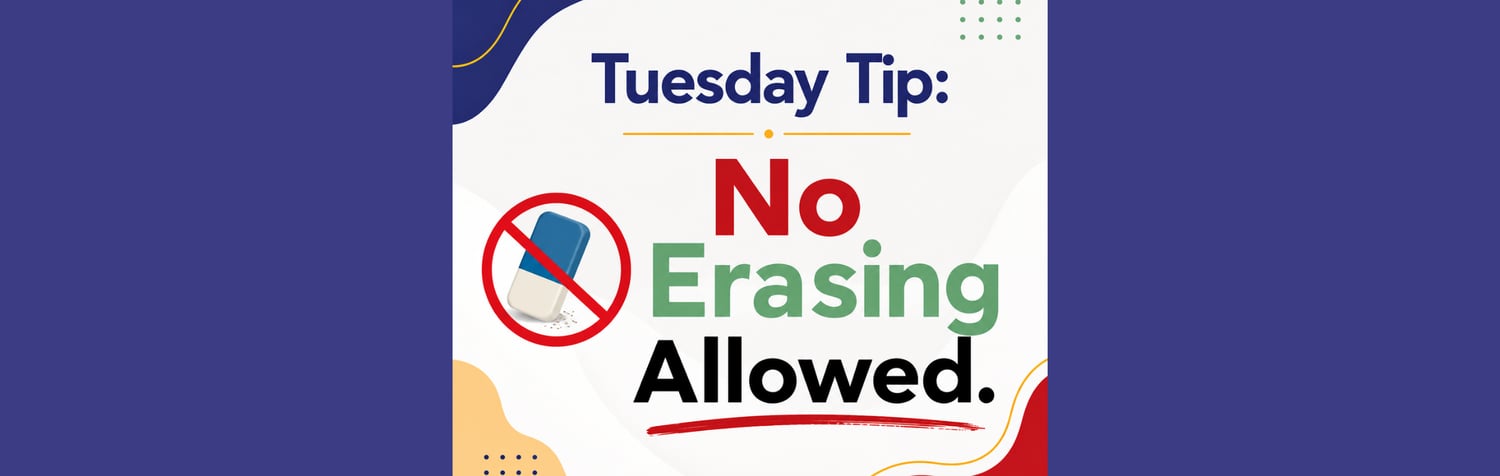
I can’t remember where I first heard Mr. Pudewa recommend that rough drafts be written in pen. He said, and I’m paraphrasing here, that stopping to erase a mistake interrupts the flow of thinking. When you can simply cross out what you wrote and kee...
Read More
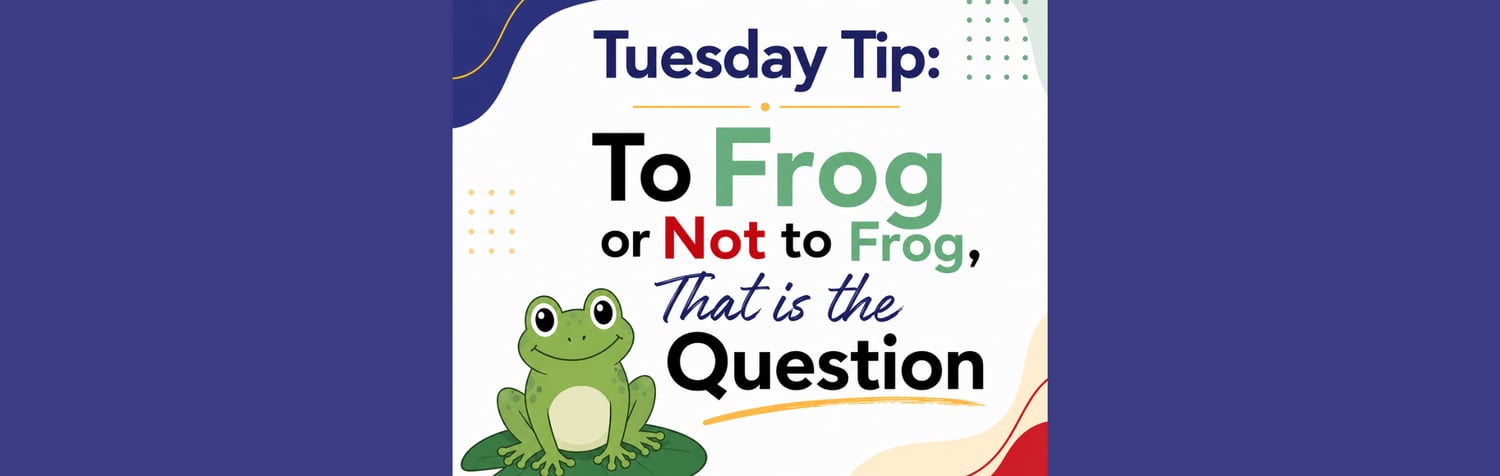
There’s a funny term in crochet: to “frog it.” When you mess up, you tear out what you just did and start over. Some people won’t do it because, well, no one wants to do all of that hard work all over again. But I do. I hate knowing I made a mistak...
Read More
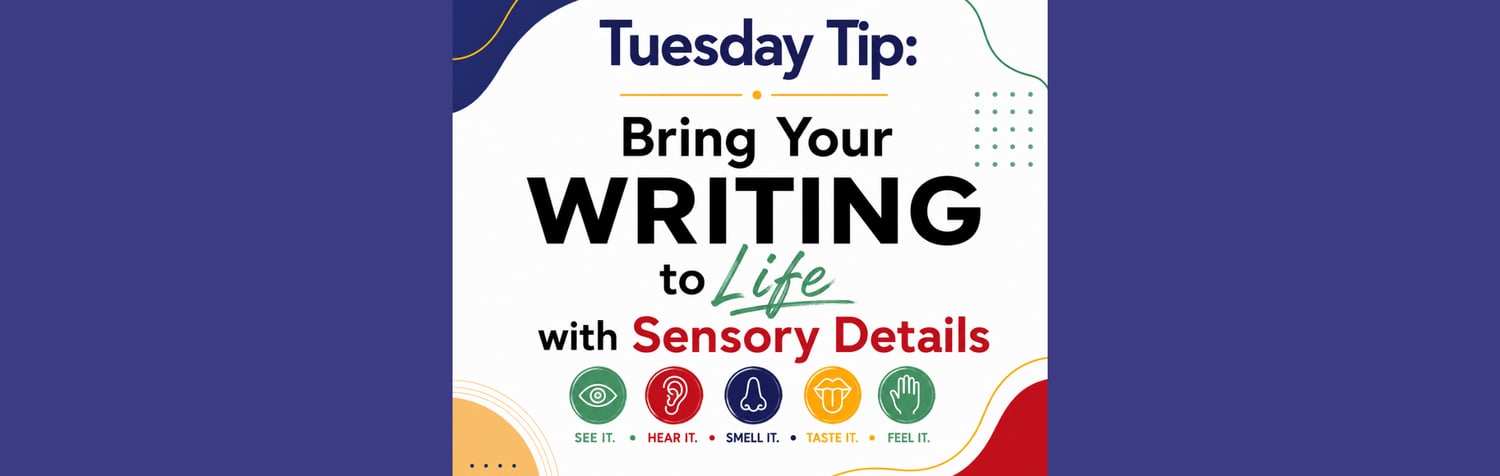
Last week, we talked about adjectives and how they add detail to our writing. This week, I want to take that one step further. When kids retell a story, I don't want them to simply copy the words the author used. I want them to begin making the...
Read More

For our Tuesday Tip this week, we are back to studying grammar. The building blocks of language are centered around nouns, verbs, and adjectives. If you cannot identify those three things, the more advanced concepts are going to be more difficult. L...
Read More

Have you ever thought, "Maybe my child just needs to write more." It seems like the logical solution. If they want to become a better writer, they should practice writing. And practice certainly has its place, but practice alone doesn't...
Read More

Have you ever noticed that your child can tell you the most incredible story. They remember every detail. They know exactly what happened first, next, and last. They can even add sound effects and dramatic voices if they're feeling especially c...
Read More

To be honest, I don't even remember how I discovered the art of narration. I have a public school background, so naturally I gravitated toward textbooks and workbooks to help me with placement and assignments for my kids. The two I was homescho...
Read More